

-

-
Freight Q&A with CrossCountry Freight Solutions President/CEO, Eric Bischke
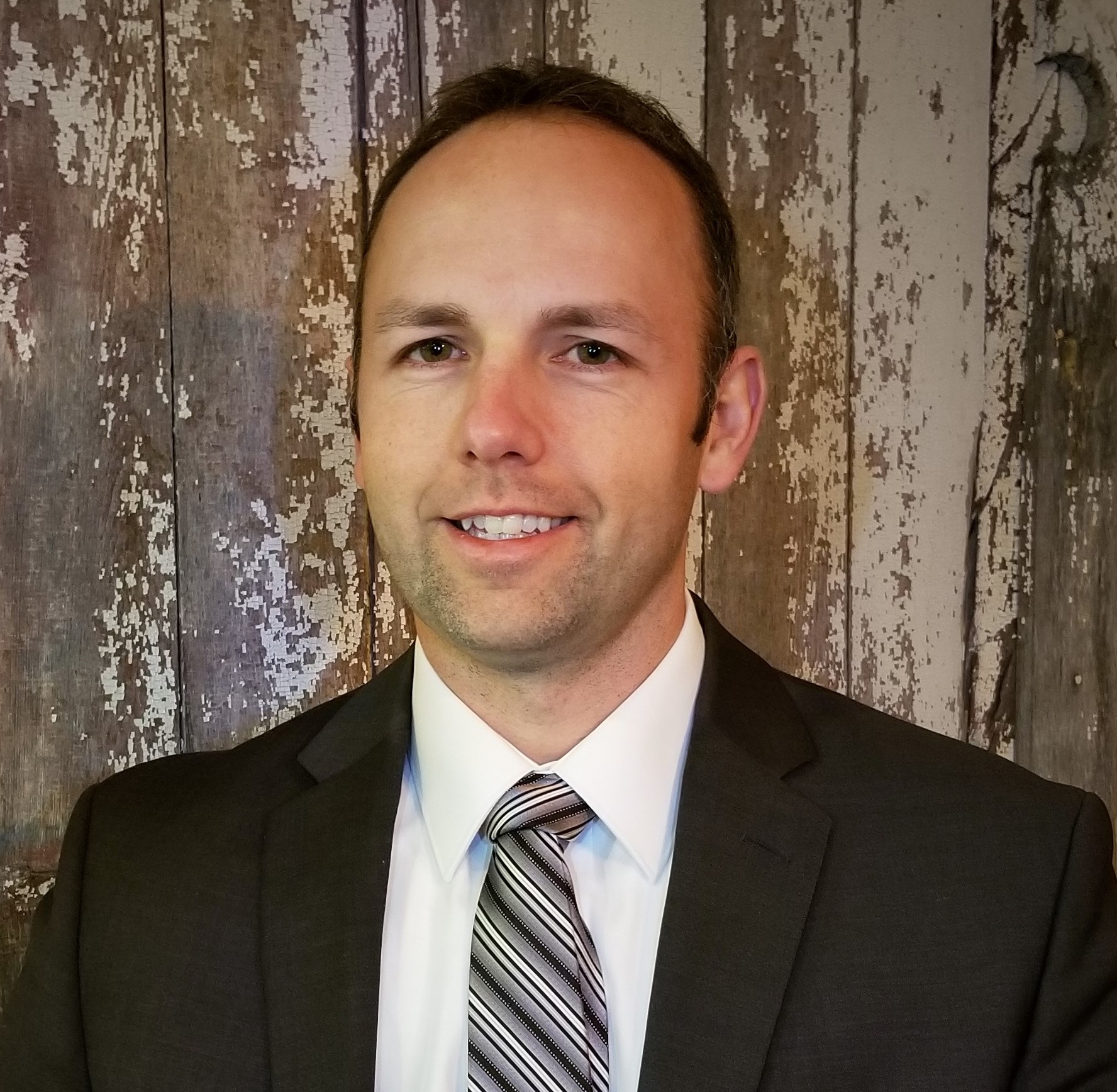
Supply chain management and disruption have put the world into a tailspin during COVID-19. While people are seeing these specifically related to personal items, like toilet paper or consumer goods like yeast and flour, the shortage also exists regarding PPE. Freight movement has become a priority to ensure supply chain lines can function, even at a diminished level. GNDC checked in with member, CrossCountry Freight Solutions, to see how their business is adapting to the stress.
Headquartered in Bismarck, North Dakota, CrossCountry Freight Solutions is a Less Than Truckload (LTL) company. They use a network of 15 strategically placed shipping terminals to provide a business-focused overnight delivery service to cities in North Dakota, South Dakota, Minnesota, Iowa, Nebraska, and portions of Montana, and Wisconsin. GNDC visited with its president and CEO, Eric Bischke.
GNDC: Are you shipping more of anything that surprises you, toilet paper comes to mind, but are there other things?
Bischke: As an LTL (Less Than Load – not a full truckload) shipping company we ship a wide variety of different commodities from almost every industry. Really there wasn’t anything too specific that stands out in my mind. With the shortage of supplies, like toilet paper and sanitizers, we saw a big increase in those as soon as the panic with COVID began. Since then we have seen those shipments drop back to normal levels. I don’t think that is because the demand is less, it is because they do not have the supplies to send out in bulk like they were.
Are your business offices open to the public, or are your staff working remotely?
Generally, we don’t have a lot of walk-in customers. We still have people working in our offices, but that is just a select few. For the most part, people are working remotely. I would say we are at about 25% working in the office and 75% remotely.
Was setting up people to work remotely a challenge?
Luckily our phone system could accommodate it, but we had to buy some additional equipment and it was at a time when everyone was looking to buy additional equipment of that sort. It took a little bit of time to get the shipments delivered. Our IT department worked some long hours and put everything together in about a week.
Besides IT, were there any other challenges?
There are two more that come to mind. Like everyone else, we were having difficulty getting the extra sanitary supplies that we needed. We have enough to keep us going, but we do not have extras on hand. We check back with our suppliers daily to see if they have received new orders so we can replenish our supplies of hand sanitizer, masks, sanitary wipes and items like that.
The other challenge has been getting our arms around the new legislation to ensure that we are complying with the new regulations. They are always evolving. It seems like there are new changes coming out daily. We check regularly to see if there are changes. When we find changes, we update our policies and the things we are doing to make sure that we are complying.
Is there one thing that you have done for your employees or customers that you would like to share?
Since our drivers all carry electronic handheld devices, we were able to quickly transition to no contact delivery. This allows the driver to keep their six feet of spacing. We accomplish this by keeping our distance while communicating with the individual who is receiving the shipment. We put the shipment in the place where they want it. When we finish moving it, we take a photo of it, type in the name of the person who received the shipment and upload the photo to our system. Then we have a record that either we or the customer can refer to if it is needed.
Have you implemented new safety measures for drivers and other employees (masks, gloves, cleaning handling of freight)?
We have. For protective items such as gloves, masks, sanitation wipes, hand sanitizer we have all those readily available. That is something that we always had on hand, but it wasn’t front and center like it is now. We have made it so that those things are easy to get and to use. The quantity that we are using has greatly increased also, so keeping a good inventory of those items is a challenge.
Are you experiencing a need for additional workforce? If so, in what areas of your business. Are you having success in recruiting in these areas?
We are not seeing any increases in business that are causing that for us. We are still recruiting for vacancies that we have in the company. So, we haven’t really slowed down our recruiting, but we also haven’t really ramped it up.
Would a shelter-in-place order impact you?
It would affect us to some degree. Our business would probably decline a little bit because it would shut down some of the businesses that we are still open. I don’t know that it would be terribly impactful for our industry because we are considered an essential business. With all the negative associated with COVID, this has been an opportunity for transportation to stand out and allow people to recognize the importance it has on the world economy. That has been a positive for us. So, we would keep running in the event of a shelter-in-place order, but I think we would see a decline in business.